public infrastructure

digital collection system



Among one of our publicized large-scale infrastructure references is the transformation program developed together with the City Administration of Buzău, AHK Romania and Goduni International GmbH, and supported by the Federal Ministry for the Environment, Nature Conservation, Nuclear Safety and Consumer Protection (BMUV).
Within this program, Goduni acted as technology and solution partner responsible for program management, capacity building, technology integration and engineering coordination. The project focused on the development of an integrated urban infrastructure framework combining waste management and recycling, energy systems, water infrastructure and regional urban development into a coordinated operational model.
The program addressed existing inefficiencies caused by fragmented and outdated infrastructure structures by introducing BAT (Best Available Techniques)-based solutions supported through intelligent monitoring, distribution and maintenance systems. The resulting framework was designed as a scalable and replicable model for cities facing comparable infrastructure, sustainability and resource-efficiency challenges, supporting the transition towards resilient and de-fossilized urban regions.
project parts & content
1. Decentralized district solutions & digital app
The project started with a comprehensive assessment of the existing urban infrastructure and operational structures of the City of Buzău and its individual districts. Existing electricity, heating and water supply systems as well as waste management, transport and industrial infrastructure were analyzed with regard to operational efficiency, distribution structures, losses, resilience and long-term cost impacts for the municipality.
Based on this assessment, alternative infrastructure and transformation scenarios were developed within the framework of a smart, sustainable and circular urban development strategy. The objective was the creation of a highly integrated urban ecosystem with increased self-sufficiency in both resource supply and resource recovery, embedded into a resilient city-wide infrastructure framework.
Within this concept, decentralized and intelligent energy generation and supply structures enable social housing and residential districts to transition from conventional fossil-based and inefficient infrastructure systems towards a more sustainable, digitally connected and operationally efficient energy environment.
The decentralized neighborhood solutions are connected through an intelligent digital management and predictive control platform with the centrally integrated “Smart Energy Park Buzău”, forming a multi-layered urban energy infrastructure architecture. Additional operational resilience and supply security are ensured through both the Smart Energy Park infrastructure and the connection to the municipal and national utility grid.
Smart Energy Park
The “Smart Energy Park Buzău” concept integrated existing wind and solar generation capacities located within the regional perimeter into the overall production and balancing framework. Based on this assessment, additional storage solutions and flexibility infrastructures were developed in order to increase operational resilience, grid stability and local energy balancing capabilities.
For residential districts and neighborhood structures, integrated supply concepts combining rooftop photovoltaic systems, heat pump technologies and hydrogen-ready energy generation systems originating from Germany were evaluated and incorporated into the infrastructure model.
In parallel, the electricity distribution infrastructure was analyzed and optimized together with the local DSO in order to improve grid efficiency, operational stability and future integration capability for decentralized and flexible energy assets.
The industrial park infrastructure was further developed as part of the overall transformation concept to support the integration of biogas facilities, additional storage capacities and sector-coupled energy infrastructures. The regional river infrastructure was also incorporated into the concept as part of the integrated energy, water and agricultural development framework.
3. Smart Circular City
Within the framework of the “Digital and Green Recycling City” concept for Buzău, particular focus was placed on the development of an integrated, digitally supported and economically sustainable circular resource management system.
The concept included:
- implementation of waste prevention and resource-efficiency programs,
- introduction of comprehensive source-separated collection systems,
- development of polluter-oriented and transparent financing mechanisms for municipal waste management,
- deployment of digitalized collection, monitoring and billing infrastructures,
- integration of sustainable and EU Taxonomy-aligned treatment solutions for biowaste and packaging streams, including cooperation models with the surrounding industrial sector,
- and the creation of qualified, safe and socially inclusive employment structures, including the integration of informal waste collection groups into formalized operational systems.
The overall objective was the transition from conventional municipal waste management towards a digitally connected, circular and infrastructure-integrated urban resource ecosystem.

4. Modernized water treatment
The concept included the development of decentralized and resource-efficient water infrastructure systems based on modern local water treatment solutions designed to improve sustainability, operational efficiency and long-term resource management.
The proposed framework separates wastewater streams into blackwater and greywater cycles at neighborhood level in order to enable differentiated treatment and reuse pathways. Treated greywater was integrated into local service-water reuse concepts, while sewage sludge streams were incorporated into the biogas infrastructure framework as part of the circular energy and resource recovery model.
In addition, rainwater and regional river water integration concepts were incorporated into the overall infrastructure architecture in order to strengthen water availability, operational resilience and economic efficiency across the interconnected systems.
The integrated approach contributes to improved water management, reduced resource consumption and the transition towards closed-loop urban infrastructure and resource cycles.
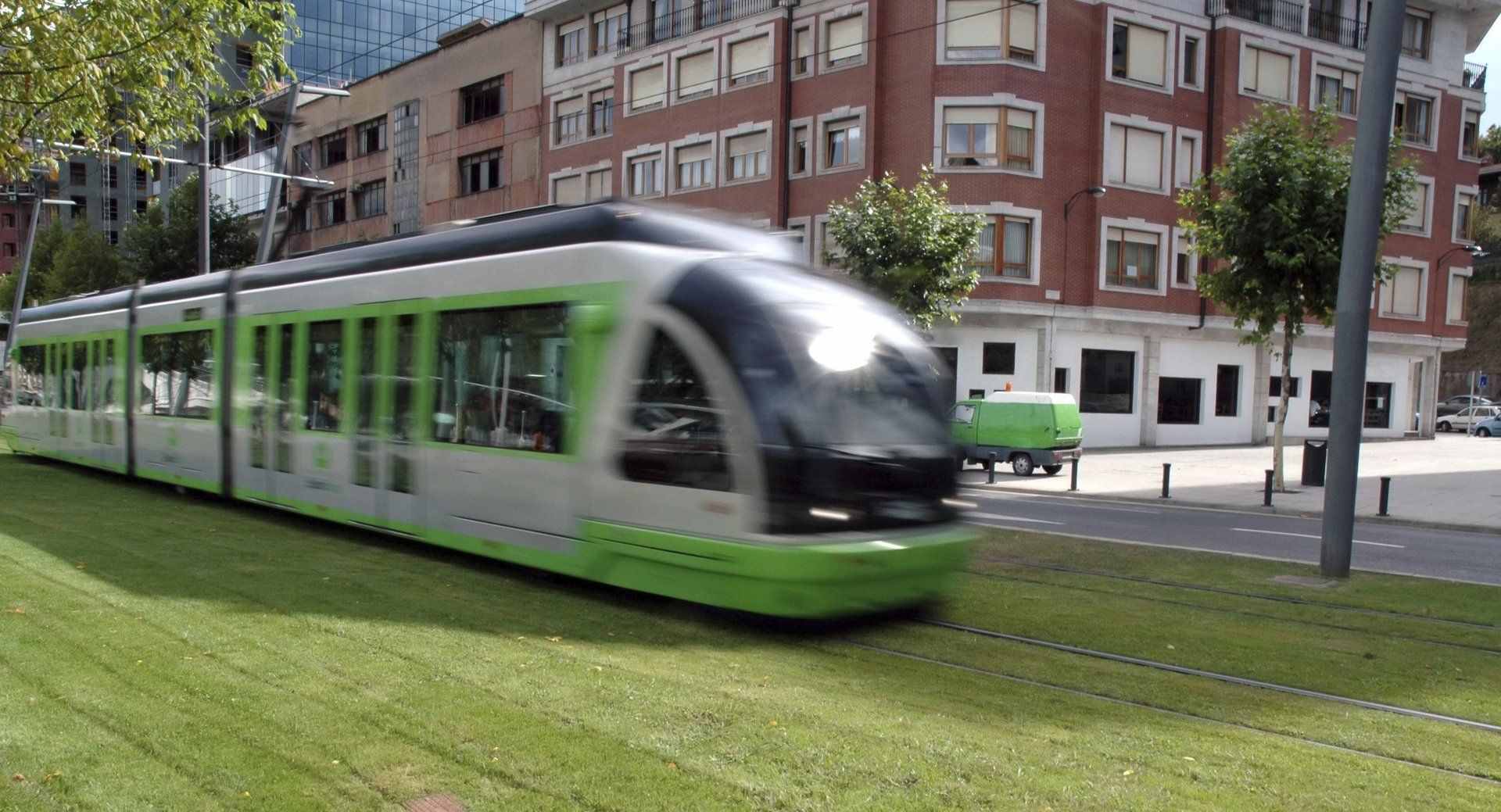
5. Green public transportation
The "Smart Energy Park", described in chapter 4.4.5, enables the conversion of the bus fleet of Buzau to emission-free / green drives. On the transport side, we propose the conversion of the city bus fleet to emission-neutral propulsion systems (electrification and / or hydrogen) in three phases in chapter 6. On the transport side, we propose the rapid (2022) tender for the planning, construction and commissioning of rapid charging system (HPC High Power Charger) at the depots, to further inductive charging stations at the main station, at the hospital district and at the business park to ensure the supply, as outlined in chapter chapter 6.
External links for insights into the program
